Sailing yacht
Maxi 84
Maxi 84 model review and used-boat buying guide covering specifications, fit for your crew and what to inspect at a viewing.
Production years 1977–1983
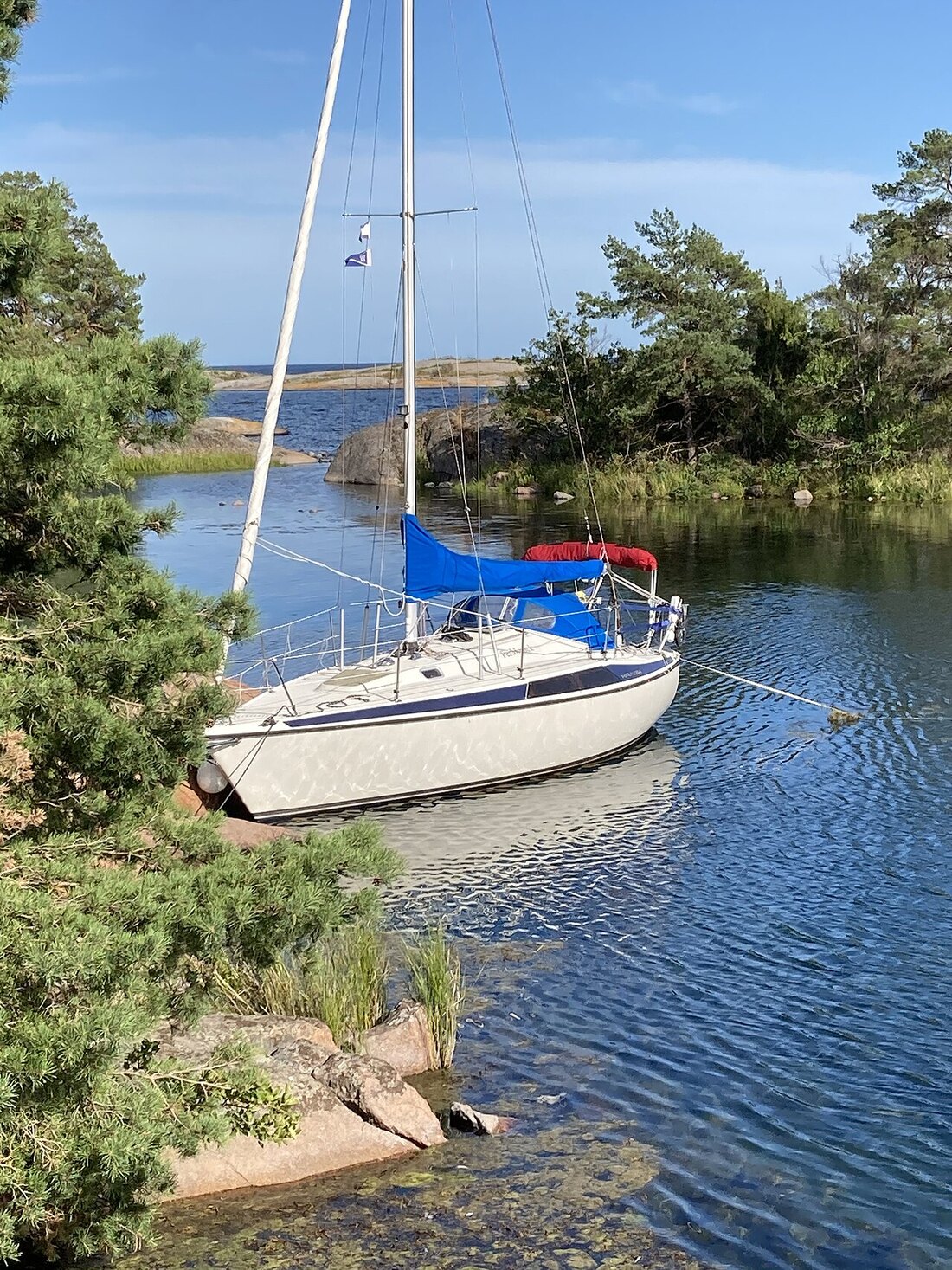
Model specifications
- Length overall
- 8.5 m
- Waterline length
- 7.2 m
- Beam
- 2.95 m
- Reference draught
- 1.5 m
- Displacement
- 3,000 kg
- Ballast
- 1,350 kg
- Designer
- Pelle Petterson
- Production reference
- 1977–1983
Who should shortlist it?
On an older Maxi, compare completed work to the asking price. Dated invoices help distinguish cosmetic upkeep from investments in steering, rig, electrics and propulsion. The reference credits Pelle Petterson as designer.
How to read this review
This is a desk-based review of the Maxi 84. The paragraphs on sailing in different conditions set out behaviour to look for and explain what might cause it. They are design-based inferences and viewing guidance. Changes to sails, stored gear, keel, steering and crew can alter the result even between two hulls sold under the same name.
Use the trial on a candidate boat to decide whether its responses are tolerable for your crew and intended passages. Keep a simple log of wind, sea direction, sail choice, heel, boat speed through the water and time to regain speed after manoeuvres. A useful comparison repeats a short leg on the opposite tack when conditions allow. If a seller quotes a speed, ask which instrument supplied it and what the tide was doing.
Published performance ratios
- Displacement / length
- 224
- Comfort ratio
- 19.83
- Capsize screening factor
- 2.062
- Theoretical hull speed
- 6.52 kn
Figures for the reference configuration from Vadim Nareyko and FairHelm benchmark (CC BY 4.0). They describe a design baseline for comparison.
The displacement-to-length value of 224 uses waterline length rather than length over the anchor or pulpit. It helps compare how much hull weight a sail plan has to move, but leaves out hull shape and appendage drag. Watch the actual acceleration after a tack, loss of speed when pitching and the rate of recovery once the boat is moving again.
Comfort and capsize-screening ratios simplify very different questions. The comfort formula offers a broad comparison between designs of similar type but has no inputs for swell period, pitch damping or where the crew is seated. The screening factor does not describe the full righting-arm curve, downflooding openings or recovery. Neither figure can establish suitability for a specific route or set a safe sea-state limit.
The 6.52-knot hull-speed value is a conventional waterline-based estimate. It is distinct from passage average, speed made good upwind or maximum speed when running with waves. During a trial, ask whether the measurement is through the water or over the ground and record tide alongside the reading.
Light wind and smooth water
In a cruising fit-out, try the existing headsail and main first. An ageing sail with draft that has moved aft or a heavy furling genoa can undermine light-air trim before the hull becomes the limiting factor. When testing at the bottom of the sail’s usable wind range, establish steady steerage before judging pointing. Small helm corrections, a clean propeller and a clean bottom matter far more than they do when there is plenty of breeze.
On the Maxi 84, record how readily the boat makes way again after a tack or a lull. On reciprocal legs, separate current from boat speed and give each sail combination time to settle. A light-air assessment should examine consistency, not the best figure on the instrument. Ask whether the crew plans to use a larger light-air sail and how they would recover it with the actual deck gear.
Close-hauled in short, steep chop
Short chop changes the problem from pure pointing to maintaining flow over the keel and rudder. Sailing too close to the wind can make the bow stop at each crest and force the helm to work harder to keep the boat on course. Compare a slightly freer course with the higher course, recording progress to windward over a run of waves.
The reference displacement-to-length figure sits in the middle of the broad comparison range. Use a trial to see where the balance lies between maintaining way and rebuilding it after a wave. Give special attention to the change in steering and pitch when several crew move forward at once. Keep heavy loose equipment low and secured, and test tacks with the positions the crew will actually use.
In a tidal estuary, also note the relation between the wind and stream. With wind opposing a strong stream, sharper waves may appear despite a moderate forecast. The same boat can feel very different after the tide turns. Separate wave impact, helm balance and spray at the cockpit so each feature gets assessed on its own merits.
Long swell and mixed wave trains
The Maxi 84 should be judged over several complete swells, with room to change course. Note whether the bow follows the wave, slows sharply going uphill, or drops enough to shake the rig at the bottom. Compare pitching with the sea from ahead against a leg with it off the bow. Pitching affected by equipment at the ends is worth investigating before treating the response as a permanent property of the design.
A shorter waterline can put successive steep crests closer to the working length of the boat. The crew may notice the cycle as a series of losses and recoveries rather than a smooth mean speed. In longer swell, wave period and wave encounter angle matter more than a simple claim that small boats pitch more.
A secondary chop crossing a longer swell can take speed off the boat at unexpected moments. Watch whether sail trim remains usable through both motions or needs constant correction. Down below, try the routes from the companionway to the settee and heads in mild swell. A workable handhold and a seat you can brace against may matter more to crew comfort than the numerical comfort ratio.
Beam seas and motion at a reach
A beam sea can combine side impact, roll and changing apparent wind. Start in conditions the crew can comfortably manage and watch sail trim and rudder movements between crests. If the sail unloads at each roll, check whether the helm is correcting the wave or the changes in sail force. The two can feel similar but point to different causes.
If your intended passage puts the sea abeam for long stretches, look for a repeatable way to steer the Maxi 84 without fighting each roll. Compare a modest course change and a different sail balance where navigational room allows. The practical question is whether the crew can keep watch, manage lines and move around below without fatigue becoming the limiting factor.
Following and quartering seas
Ask the owner or surveyor to identify the rudder support and keel arrangement from the documentation and haul-out. The rig and keel actually fitted matter more than what a similar model happens to carry. Observe whether steering corrections start early or only after the boat has already swung down a wave. On larger crests the steering loads and apparent wind can change sharply with acceleration. Testing that tendency in benign conditions is more useful than extending the trial into breaking seas.
Steering response in waves depends on rudder immersion, speed through the water and any play in the linkages. Observe the point at which a small wheel or tiller movement stops being enough and distinguish a sail-trim problem from a mechanical or flow problem. With less room to move gear and people, keeping the cockpit organised is especially important when steering changes come quickly. On the trial, see whether a crew member can handle the headsail without obstructing the skipper or putting loose weight at the stern.
On a controlled broad reach, log rudder corrections, the stability of the headsail and how readily the boat returns to course. Briefly compare the hand-steered course with the autopilot if it is safe to do so. Fit, calibration and available electrical power can determine whether an autopilot is a practical aid or an extra load. Review where the crew would clip in and how they would rig an appropriate preventer before taking on longer downwind legs.
Gusts, heel and reefing
Confirm the mast and headsail arrangement, the usable headsail range, and how the main reefs. A replacement spar, a higher-clewed headsail or furling system can change the way the boat is balanced. In a gust, note whether the helm can maintain course with a small correction or tends to round up. The latter can reflect poor sail balance, a tired mainsail or excess heel as readily as a hull trait. Compare the steering before and after an appropriate reduction in sail while the crew still has a margin.
Time the complete reefing sequence on the Maxi 84 from the first instruction to the boat settling on course again. Look for loaded clutches, friction at the mast and control lines hidden under other lines. Ask which stages require somebody out of the cockpit and whether that path remains practical at night. On boats fitted with furling mainsails, inspect the condition and alignment of the system and practise the sequence specified for the gear.
Strong conditions and passage planning
The question for a buyer is whether the individual boat, gear and crew have a reliable operating envelope. Start with the documentation and survey, then make a plan that includes alternative ports and room to change course. There is no reason to seek difficult conditions on a purchase trial. An offshore decision needs better evidence than a model’s reputation or one calculated ratio.
For the Maxi 84, go through closure and drainage details with the surveyor. Check companionway boards and their retainers, tank vents, locker latches, cockpit drains, bilge pumps, and provision for emergency steering. Talk through the crew’s heavier-weather sailing and watch plan and check that what the plan requires is actually on board. A screening formula cannot establish watertight integrity or whether the crew can deal with a loaded or damaged system.
Keel, rudder and the individual boat
Ask for photographs taken out of the water and the as-built specification. A shoal keel can change draught and variation in leeway compared with a deeper alternative. Loading can move the waterline and increase measured draught. Compare the characteristics of the actual variant rather than assuming the published dimensions belong to every boat with the same model badge.
At haul-out inspect the rudder, bearings and visible keel attachment with a surveyor familiar with the construction. Look for movement, coating repairs and evidence of grounding. On lifting configurations check the mechanism and maintenance history. At the viewing, identify the emergency steering access and the extent to which cabin joinery or stored gear must be moved to use it.
Under power and around the berth
Practise reaching the mainsheet and engine controls while a second person handles the bow line. On a compact boat people moving together can alter trim and block a working position. A rudder may need water flow before it steers decisively. Compare a slow turn to port and starboard, find the response astern, and check that the skipper can stop the boat within a practical distance before trying a tighter berth.
Cold-start the engine with the owner’s agreement and inspect cooling-water discharge, mounts and access for service. Run under load in open water and note whether speed, vibration and engine temperature settle as expected. In chop, a working engine and well-supported fuel system are useful both for clearing harbour approaches and for maintaining control during a sail change.
Rig, sails and deck ergonomics
Review dated standing-rigging invoices and the condition of terminals, spreaders and chainplates. Match the invoices to the current inventory and assess running rigging separately. A sail still labelled serviceable may have unsuitable shape for pointing in chop or may no longer furl cleanly. Ask to see both headsail and mainsail completely set.
Walk the Maxi 84 deck with a PFD and the clothing your crew would normally wear. Reach for a handhold at the companionway, mast and foredeck while carrying a line. Look at anchor stowage and hauling access. These are ordinary actions at the dock, but exposed movements and obstructed access become more demanding in a cross sea.
Accommodation while the boat is moving
Try the passage from companionway to heads and each sleeping area with the cabin in normal sailing trim. Check that cabin doors can be secured, floorboards stay put, and handholds support the whole route. Find where wet gear is drained and where heavy spares would be secured so they cannot shift.
Below decks on the Maxi 84, compare the galley and any sea berth with the spaces you use at anchor. Test whether a watchkeeper can reach water, a head torch and warm clothing without waking the crew. Check ventilation paths and access to valves and seacocks. An attractive harbour layout is most useful to a cruising crew when essential systems can still be operated underway.
Pre-purchase survey and costs
Ask the yard whether it can handle the actual draught and how the boat can be supported ashore. Get quotes for lifting, standard engine service and the standing rigging using the actual rig description. Engine, tanks and plumbing — Ask for a cold start and inspect the mounts, fuel hoses, exhaust and cooling-water flow.
Separate work needed before sailing from jobs that can be staged over a season. Get invoices for rigging, engine service, hull repairs and upgrades and check them against inspection evidence. Compare offers using condition, equipment and survey findings instead of allowing a well-presented interior to carry more weight than worn sails, inaccessible repairs or deferred mechanical work.
A trial plan and buying decision
Agree a route that permits windward, reaching and downwind legs in suitable conditions, plus a slow-speed turn under power in clear water. Set a reporting point for each leg. Record which sails were used, actual wind and wave direction, helm load and the crew’s ability to work the controls. Recall data sources afterward so tide and speed through the water remain separate.
Shortlist a Maxi 84 if the actual layout, response under sail and estimated refit fit the crew’s programme. If the sea trial only covers flat water or if a keel or rig variant remains unclear, keep that as a question in the offer and survey plan. A repeat visit or a yard inspection is often the fastest way to resolve the remaining uncertainty.
Dimensions, berthing and practical use
The reference length is 8.5 m and the beam is 2.95 m, with a reference draught of 1.5 m. On a boat of this size, try the berths and companionway before assuming it will work for crewed weekends. Check how anchor gear and wet kit can be stowed without giving up too much living space.
Engine, tanks and plumbing
Ask for a cold start and inspect the mounts, fuel hoses, exhaust and cooling-water flow. Try sustained load with the owner’s agreement. Check whether the filters, impeller and tank inspection points can be reached without removing joinery.
Deck fittings and water ingress
Check handrails, genoa tracks and other loaded deck fittings above and below. Staining or movement warrants a closer look at the fastening and surrounding laminate. Compare the fitting’s bedding with any repair invoices and inspect access for re-bedding.
Keel and actual draught
Ask for the build specification or photos ashore to identify the keel. Confirm draught with cruising load before committing to a berth. If appropriate to the construction, have the keel joint, fasteners and surrounding laminate checked for grounding or repair evidence.
Viewing and offer
For a used Maxi 84, ask for ownership records, build identification, service invoices and a list of equipment included in the sale. Compare like-for-like specifications and separate the asking price from work needed in the first season. Arrange a survey and a trial that includes sail changes, slow-speed control and the checks most relevant to the fitted equipment.
Reference specifications adapted from Vadim Nareyko and FairHelm’s 2026 European & Nordic Sailboat Benchmark under CC BY 4.0. This is a desk-based model guide. Confirm the measured dimensions, fitted equipment and any variant from the individual boat’s documents.
FairHelm European & Nordic Sailboat Benchmark (CC BY 4.0)
What to check at a viewing
- Engine, tanks and plumbing — Ask for a cold start and inspect the mounts, fuel hoses, exhaust and cooling-water flow.
- Deck fittings and water ingress — Check handrails, genoa tracks and other loaded deck fittings above and below.
- Keel and actual draught — Ask for the build specification or photos ashore to identify the keel.
Frequently asked questions
How much space does a Maxi 84 need at a berth?
The model reference gives 8.5 m overall and 2.95 m beam. Verify the individual boat including bow and stern fittings before booking a berth.
What should I check first when viewing a Maxi 84?
Ask for a cold start and inspect the mounts, fuel hoses, exhaust and cooling-water flow. Try sustained load with the owner’s agreement. Check whether the filters, impeller and tank inspection points can be reached without removing joinery.
What should I test during a Maxi 84 sea trial?
Try a low-speed approach and reverse under power. Under sail, tack and reef with your usual crew. Check steering response, visibility from the helm and whether the working lines are reachable from secure positions.
How do I confirm which Maxi 84 variant is for sale?
Compare the seller’s paperwork and build plate with the boat as fitted. Ask for photos ashore, the actual keel and rig configuration, and an inventory. A verified variant can affect draught, layout and value.
Similar boats for sale
There are currently no live adverts for the Maxi 84.