Sailing yacht
Omega 42
Omega 42 model review and used-boat buying guide covering specifications, fit for your crew and what to inspect at a viewing.
Production years 1978–1998
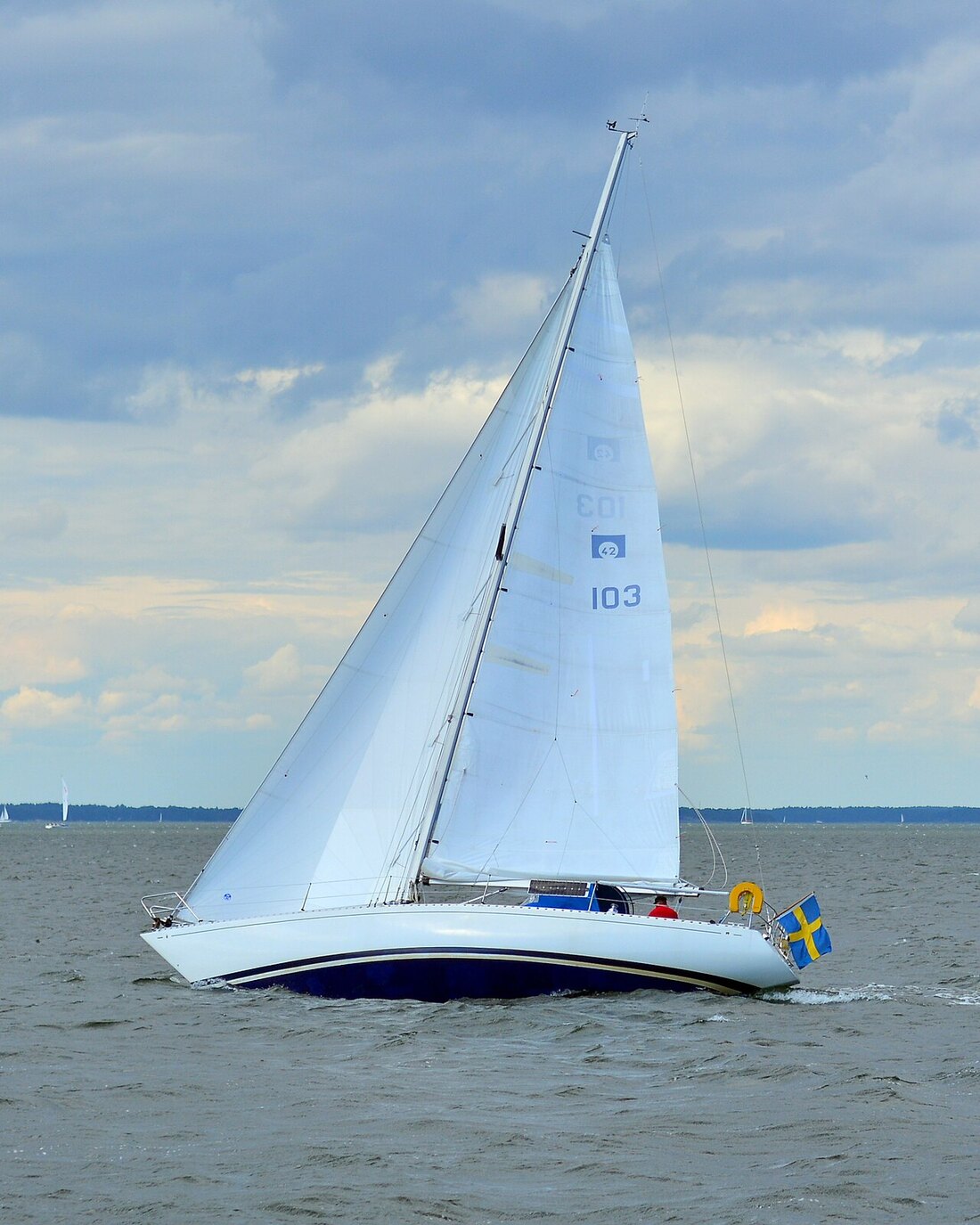
Model specifications
- Length overall
- 12.8 m
- Beam
- 3.1 m
- Production reference
- 1978–1998
Who should shortlist it?
Check whether the present sail plan and deck hardware favour your cruising or club-racing use. Ask which structural and rigging work is documented before making an offer.
How to read this review
This is a desk-based review of the Omega 42. The paragraphs on sailing in different conditions set out behaviour to look for and explain what might cause it. They are design-based inferences and viewing guidance. Changes to sails, stored gear, keel, steering and crew can alter the result even between two hulls sold under the same name.
Use the trial on a candidate boat to decide whether its responses are tolerable for your crew and intended passages. Keep a simple log of wind, sea direction, sail choice, heel, boat speed through the water and time to regain speed after manoeuvres. A useful comparison repeats a short leg on the opposite tack when conditions allow. If a seller quotes a speed, ask which instrument supplied it and what the tide was doing.
Performance figures and what to verify
A comparable set of published ratios for this exact Omega 42 configuration has not been established for this review. Ask for the design waterline length, displacement basis, fitted keel and working sail area for the candidate boat. Avoid substituting the ratios of a neighbouring model or the same model with a different mark, keel or rig.
A tested boat’s displacement varies with water, fuel, crew and equipment. A speed through the water and its corresponding wind angle from a controlled trial are more useful than a nominal length-based estimate for a specific passage. Ask for the fitted sail plan and actual cruising weight if you need to compare performance with a second candidate.
Light wind and smooth water
In a cruising fit-out, try the existing headsail and main first. An ageing sail with draft that has moved aft or a heavy furling genoa can undermine light-air trim before the hull becomes the limiting factor. When testing at the bottom of the sail’s usable wind range, establish steady steerage before judging pointing. Small helm corrections, a clean propeller and a clean bottom matter far more than they do when there is plenty of breeze.
On the Omega 42, record how readily the boat makes way again after a tack or a lull. On reciprocal legs, separate current from boat speed and give each sail combination time to settle. A light-air assessment should examine consistency, not the best figure on the instrument. Ask whether the crew plans to use a larger light-air sail and how they would recover it with the actual deck gear.
Close-hauled in short, steep chop
Short chop changes the problem from pure pointing to maintaining flow over the keel and rudder. Sailing too close to the wind can make the bow stop at each crest and force the helm to work harder to keep the boat on course. Compare a slightly freer course with the higher course, recording progress to windward over a run of waves.
Without a comparable displacement-to-waterline figure, log recovery after a tack directly on the trial. The first few boat lengths on the new tack tell you more than a single peak speed. Do the trial with a realistic amount of water, fuel and cruising equipment. The difference between a stripped sales trial and a boat with a tender, ground tackle and full lockers can show up first as a slower recovery after each wave.
In a tidal estuary, also note the relation between the wind and stream. With wind opposing a strong stream, sharper waves may appear despite a moderate forecast. The same boat can feel very different after the tide turns. Separate wave impact, helm balance and spray at the cockpit so each feature gets assessed on its own merits.
Long swell and mixed wave trains
The Omega 42 should be judged over several complete swells, with room to change course. Note whether the bow follows the wave, slows sharply going uphill, or drops enough to shake the rig at the bottom. Compare pitching with the sea from ahead against a leg with it off the bow. Pitching affected by equipment at the ends is worth investigating before treating the response as a permanent property of the design.
A long swell and a short overlaid chop can affect different parts of the boat at once. The hull may continue tracking on its original heading while the headsail collapses during the shorter vertical motion. Separate apparent-wind variation from helm and keel response by keeping a steady course through several waves before changing trim.
A secondary chop crossing a longer swell can take speed off the boat at unexpected moments. Watch whether sail trim remains usable through both motions or needs constant correction. Down below, try the routes from the companionway to the settee and heads in mild swell. A workable handhold and a seat you can brace against may matter more to crew comfort than the numerical comfort ratio.
Beam seas and motion at a reach
A beam sea can combine side impact, roll and changing apparent wind. Start in conditions the crew can comfortably manage and watch sail trim and rudder movements between crests. If the sail unloads at each roll, check whether the helm is correcting the wave or the changes in sail force. The two can feel similar but point to different causes.
If your intended passage puts the sea abeam for long stretches, look for a repeatable way to steer the Omega 42 without fighting each roll. Compare a modest course change and a different sail balance where navigational room allows. The practical question is whether the crew can keep watch, manage lines and move around below without fatigue becoming the limiting factor.
Following and quartering seas
Ask the owner or surveyor to identify the rudder support and keel arrangement from the documentation and haul-out. The rig and keel actually fitted matter more than what a similar model happens to carry. Observe whether steering corrections start early or only after the boat has already swung down a wave. On larger crests the steering loads and apparent wind can change sharply with acceleration. Testing that tendency in benign conditions is more useful than extending the trial into breaking seas.
Steering response in waves depends on rudder immersion, speed through the water and any play in the linkages. Observe the point at which a small wheel or tiller movement stops being enough and distinguish a sail-trim problem from a mechanical or flow problem. Movement across the cockpit and access to jib control are useful signs of how sustainable steering will be on a long reach. When a wave changes the heading, note how easily crew can reduce sail load without reaching through a loaded line.
On a controlled broad reach, log rudder corrections, the stability of the headsail and how readily the boat returns to course. Briefly compare the hand-steered course with the autopilot if it is safe to do so. Fit, calibration and available electrical power can determine whether an autopilot is a practical aid or an extra load. Review where the crew would clip in and how they would rig an appropriate preventer before taking on longer downwind legs.
Gusts, heel and reefing
Confirm the mast and headsail arrangement, the usable headsail range, and how the main reefs. A replacement spar, a higher-clewed headsail or furling system can change the way the boat is balanced. In a gust, note whether the helm can maintain course with a small correction or tends to round up. The latter can reflect poor sail balance, a tired mainsail or excess heel as readily as a hull trait. Compare the steering before and after an appropriate reduction in sail while the crew still has a margin.
Time the complete reefing sequence on the Omega 42 from the first instruction to the boat settling on course again. Look for loaded clutches, friction at the mast and control lines hidden under other lines. Ask which stages require somebody out of the cockpit and whether that path remains practical at night. On boats fitted with furling mainsails, inspect the condition and alignment of the system and practise the sequence specified for the gear.
Strong conditions and passage planning
The question for a buyer is whether the individual boat, gear and crew have a reliable operating envelope. Start with the documentation and survey, then make a plan that includes alternative ports and room to change course. There is no reason to seek difficult conditions on a purchase trial. An offshore decision needs better evidence than a model’s reputation or one calculated ratio.
For the Omega 42, go through closure and drainage details with the surveyor. Check companionway boards and their retainers, tank vents, locker latches, cockpit drains, bilge pumps, and provision for emergency steering. Talk through the crew’s heavier-weather sailing and watch plan and check that what the plan requires is actually on board. A screening formula cannot establish watertight integrity or whether the crew can deal with a loaded or damaged system.
Keel, rudder and the individual boat
Ask for photographs taken out of the water and the as-built specification. A shoal keel can change draught and variation in leeway compared with a deeper alternative. Loading can move the waterline and increase measured draught. Compare the characteristics of the actual variant rather than assuming the published dimensions belong to every boat with the same model badge.
At haul-out inspect the rudder, bearings and visible keel attachment with a surveyor familiar with the construction. Look for movement, coating repairs and evidence of grounding. On lifting configurations check the mechanism and maintenance history. At the viewing, identify the emergency steering access and the extent to which cabin joinery or stored gear must be moved to use it.
Under power and around the berth
Try the approach with the usual crew and loaded cockpit. Establish which station can see a bow line, a low pontoon and the stern at the same time, and which crew member can reach each control without changing sides. A rudder may need water flow before it steers decisively. Compare a slow turn to port and starboard, find the response astern, and check that the skipper can stop the boat within a practical distance before trying a tighter berth.
Cold-start the engine with the owner’s agreement and inspect cooling-water discharge, mounts and access for service. Run under load in open water and note whether speed, vibration and engine temperature settle as expected. In chop, a working engine and well-supported fuel system are useful both for clearing harbour approaches and for maintaining control during a sail change.
Rig, sails and deck ergonomics
Review dated standing-rigging invoices and the condition of terminals, spreaders and chainplates. Match the invoices to the current inventory and assess running rigging separately. A sail still labelled serviceable may have unsuitable shape for pointing in chop or may no longer furl cleanly. Ask to see both headsail and mainsail completely set.
Walk the Omega 42 deck with a PFD and the clothing your crew would normally wear. Reach for a handhold at the companionway, mast and foredeck while carrying a line. Look at anchor stowage and hauling access. These are ordinary actions at the dock, but exposed movements and obstructed access become more demanding in a cross sea.
Accommodation while the boat is moving
Try the passage from companionway to heads and each sleeping area with the cabin in normal sailing trim. Check that cabin doors can be secured, floorboards stay put, and handholds support the whole route. Find where wet gear is drained and where heavy spares would be secured so they cannot shift.
Below decks on the Omega 42, compare the galley and any sea berth with the spaces you use at anchor. Test whether a watchkeeper can reach water, a head torch and warm clothing without waking the crew. Check ventilation paths and access to valves and seacocks. An attractive harbour layout is most useful to a cruising crew when essential systems can still be operated underway.
Pre-purchase survey and costs
Ask the yard whether it can handle the actual draught and how the boat can be supported ashore. Get quotes for lifting, standard engine service and the standing rigging using the actual rig description. Under sail with your crew — Use a sea trial to tack, reef and manoeuvre under power at low speed.
Separate work needed before sailing from jobs that can be staged over a season. Get invoices for rigging, engine service, hull repairs and upgrades and check them against inspection evidence. Compare offers using condition, equipment and survey findings instead of allowing a well-presented interior to carry more weight than worn sails, inaccessible repairs or deferred mechanical work.
A trial plan and buying decision
Agree a route that permits windward, reaching and downwind legs in suitable conditions, plus a slow-speed turn under power in clear water. Set a reporting point for each leg. Record which sails were used, actual wind and wave direction, helm load and the crew’s ability to work the controls. Recall data sources afterward so tide and speed through the water remain separate.
Shortlist a Omega 42 if the actual layout, response under sail and estimated refit fit the crew’s programme. If the sea trial only covers flat water or if a keel or rig variant remains unclear, keep that as a question in the offer and survey plan. A repeat visit or a yard inspection is often the fastest way to resolve the remaining uncertainty.
Dimensions, berthing and practical use
The reference length is 12.8 m and the beam is 3.1 m. Check berth width, lift availability and the practical running costs. Visit with your regular crew and talk through line handling during a crosswind approach.
Under sail with your crew
Use a sea trial to tack, reef and manoeuvre under power at low speed. Note sightlines at the helm, control-line friction and access to the sheets as the boat heels. A sail inventory is only useful if the crew can safely use the relevant sail and reefing combination.
Rig and sail handling
Ask for dated invoices for standing rigging and inspect terminals, spreader roots and toggles with a rigger. Hoist and reef the mainsail under load during the trial. A newer sail wardrobe is more useful if the reefing and headsail systems are serviceable with your usual crew.
Chainplates and load paths
Trace shroud loads from the deck penetration to the attachment inside the hull. Check accessible fastenings for corrosion, movement and staining. Ask how hidden areas can be inspected and who carried out any previous work.
Viewing and offer
For a used Omega 42, ask for ownership records, build identification, service invoices and a list of equipment included in the sale. Compare like-for-like specifications and separate the asking price from work needed in the first season. Arrange a survey and a trial that includes sail changes, slow-speed control and the checks most relevant to the fitted equipment.
Reference specifications adapted from Vadim Nareyko and FairHelm’s 2026 European & Nordic Sailboat Benchmark under CC BY 4.0. This is a desk-based model guide. Confirm the measured dimensions, fitted equipment and any variant from the individual boat’s documents.
FairHelm European & Nordic Sailboat Benchmark (CC BY 4.0)
What to check at a viewing
- Under sail with your crew — Use a sea trial to tack, reef and manoeuvre under power at low speed.
- Rig and sail handling — Ask for dated invoices for standing rigging and inspect terminals, spreader roots and toggles with a rigger.
- Chainplates and load paths — Trace shroud loads from the deck penetration to the attachment inside the hull.
Frequently asked questions
How much space does a Omega 42 need at a berth?
The model reference gives 12.8 m overall and 3.1 m beam. Verify the individual boat including bow and stern fittings before booking a berth.
What should I check first when viewing a Omega 42?
Use a sea trial to tack, reef and manoeuvre under power at low speed. Note sightlines at the helm, control-line friction and access to the sheets as the boat heels. A sail inventory is only useful if the crew can safely use the relevant sail and reefing combination.
What should I test during a Omega 42 sea trial?
Try a low-speed approach and reverse under power. Under sail, tack and reef with your usual crew. Check steering response, visibility from the helm and whether the working lines are reachable from secure positions.
How do I confirm which Omega 42 variant is for sale?
Compare the seller’s paperwork and build plate with the boat as fitted. Ask for photos ashore, the actual keel and rig configuration, and an inventory. A verified variant can affect draught, layout and value.
Similar boats for sale
There are currently no live adverts for the Omega 42.